

English · Korean
Custom ERP and business systems for companies operating in Korea
NQ Solution is a two-person development studio in South Korea that builds custom ERP and internal business systems. For foreign companies with a team in Korea, we build one system with English screens and reports for headquarters, Korean screens for local staff, and Korean e-tax invoices connected. You scope it in English with our founder, who also builds it.
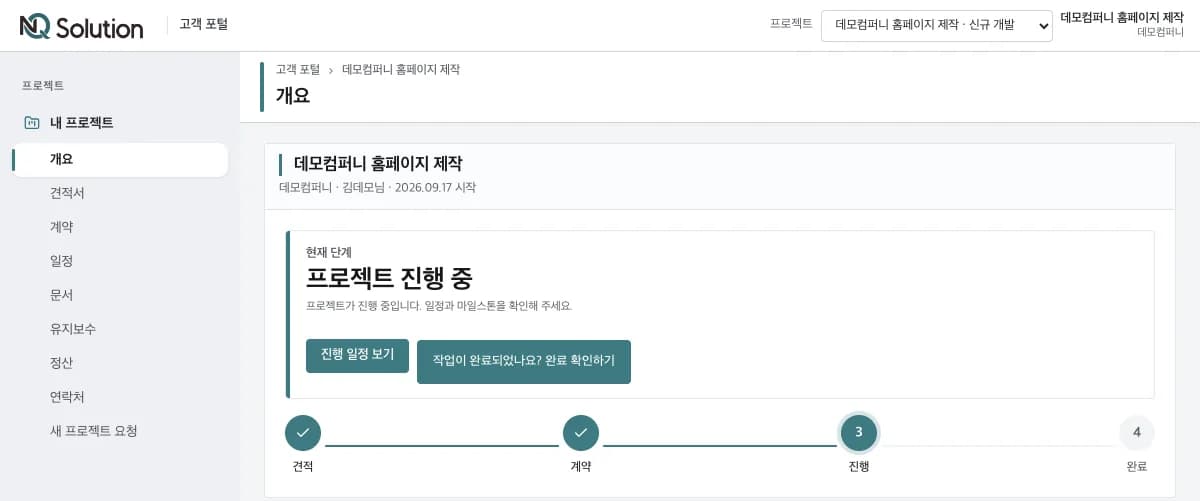
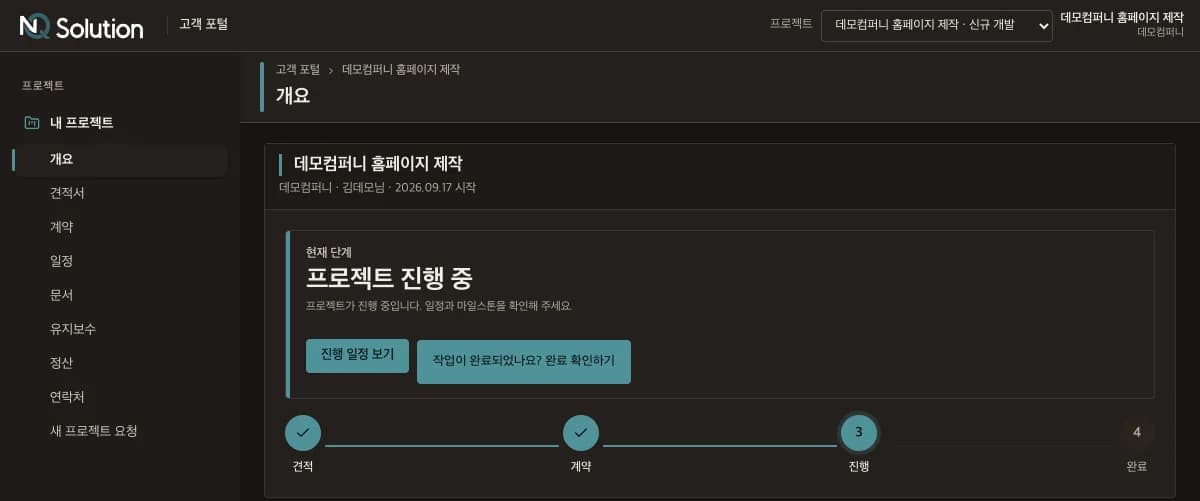
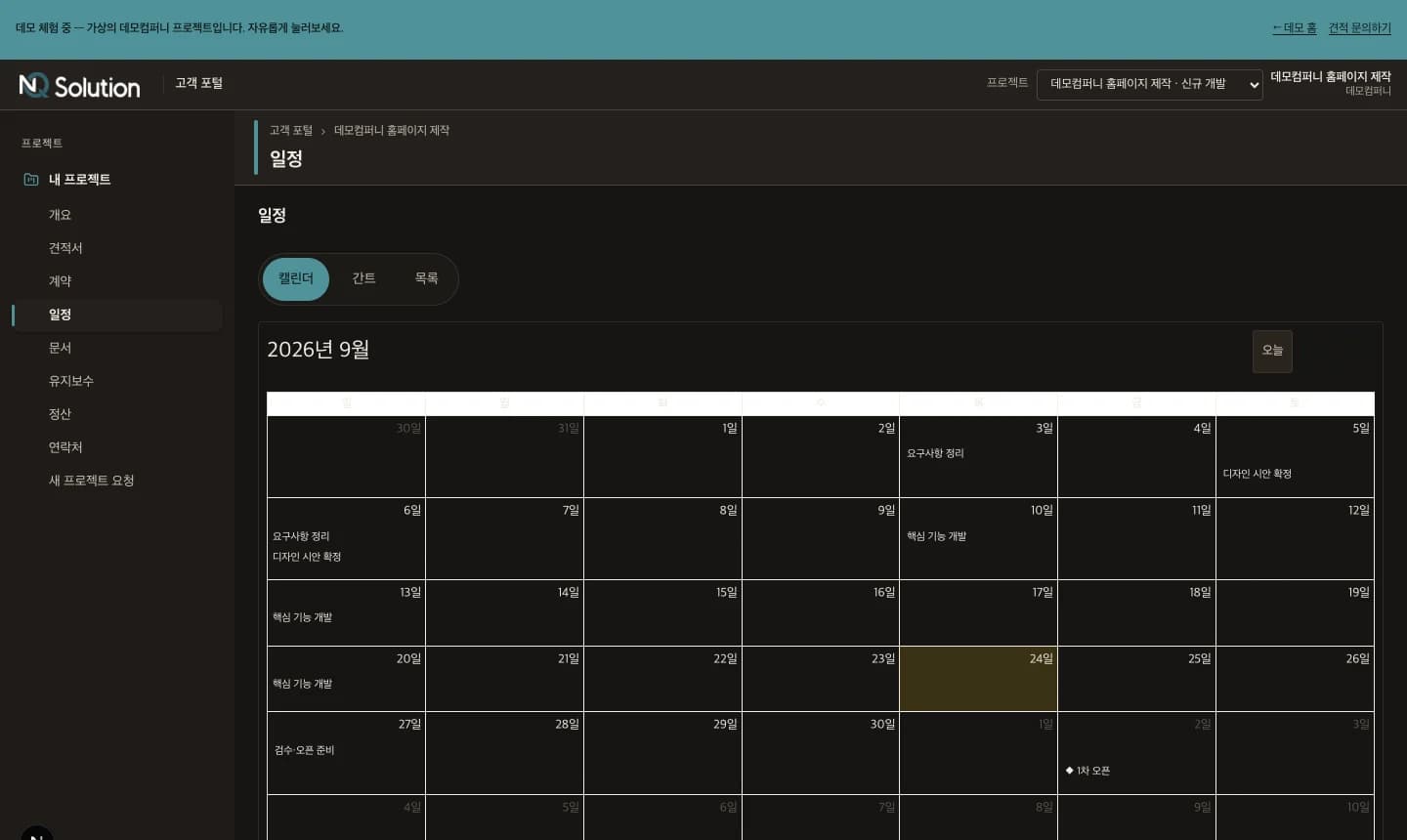
Built around your workflow
Your approval steps, records and reports, rather than a package's defaults.
English for HQ, Korean for staff
One database, with screens and reports in the language each person works in.
Korean e-tax invoices
Issued from the records you already keep, through a provider's API or Hometax.
Grows after launch
Many clients return for upgrades, so the first version is designed to grow.
One system between headquarters and your Korean team
The parts a custom ERP for a company operating in Korea usually connects. We scope which ones you need.
- HeadquartersEnglish screensReportsApprovals
- Local staff in KoreaKorean screensDaily recordsRequests
- Korean e-tax invoicesProvider APIHometax
- Tools you already useGroupwareSpreadsheetsBanksGlobal ERP
Who a custom ERP in Korea is for
A company operating in Korea often sits between two ways of working. Headquarters reads reports in English and has its own approval rules; the team in Korea works in Korean and keeps Korean records, from e-tax invoices to HR files. The teams that come to us usually recognise themselves in one of these situations.
- A Korean subsidiary or branch of a foreign company, reporting to headquarters in English while local staff work in Korean.
- A foreign-owned company in Korea that has outgrown spreadsheets, email approvals and shared folders.
- A company running a global ERP that needs a Korean-side system for the local records, invoices and approvals it does not cover.
- A Korean team that needs an internal tool shaped around how it actually works: quotes, orders, projects, schedules or requests.
What a custom ERP from us covers
We build the modules your company uses and leave out the rest, so people see the screens they need and nothing else. Each module is scoped in the consultation and written into the quote. Typical parts are below.
- Sales: customers, quotes, orders and contracts, with the document you send generated from the record.
- Purchasing and inventory: suppliers, purchase orders, stock in and out, and the reports headquarters asks for.
- Projects and schedules: milestones, tasks and files per project, with progress visible to the people who need it.
- HR and approvals: staff records, leave and expense requests, and approval lines that follow your rules.
- Invoicing: Korean e-tax invoices issued from your records through a provider's API.
- Dashboards and reports in English for headquarters, from the same data the Korean team enters.
- A client or partner portal where outside parties see their own quotes, contracts, schedules and documents.
English for headquarters, Korean for your team in Korea
Packaged Korean ERP and HR software is built for Korean users first, and global ERP rarely connects to Korean e-tax invoicing without extra work. We build the system around the split: each person works in their own language on the same records, and reports for headquarters come out in English without anyone re-typing them.
Language is set per user and per screen. Field labels, menus, status names and notifications follow it, while the data itself, such as a Korean company name or address, stays as entered. Where overseas staff need it, we store the English form of a Korean address alongside the Korean one.
Korean requirements, built in
A system used in Korea has to handle a few things the Korean way. These are the parts we connect most often.
e-Tax invoices
Electronic tax invoices issued from your sales records through a provider's API, or prepared for your Hometax workflow.
Korean e-tax invoice APIsKorean addresses
Road-name address search through Juso or Kakao Postcode, stored in one consistent format.
Korean address searchKakaoTalk notices
AlimTalk messages to customers when an order, booking or payment changes, through one of Kakao's official dealers.
KakaoTalk Channel and AlimTalkAccess and records
Roles and permissions per screen, and a login history, so personal data is seen only by the people who need it.
Korean holidays and time
KST (UTC+9) timestamps and the Korean public holidays that affect schedules, such as Seollal and Chuseok.
We run our own business on a system we built
Our quotes, contracts, schedules, documents, maintenance requests and settlements run on a system we designed and built: an admin for us and a client portal for each client, on one database. When a client sends a project request, the portal opens for them, and from then on they follow the quote, contract and schedule there.
For TTJO Consulting we built a quote automation flow in which requirements go in, AI analyses them and a draft quote comes out for a person to check. The same approach, AI drafting and a person approving, fits many ERP tasks such as classifying requests or preparing documents.
Packaged ERP or custom?
Packaged software is quicker to start when your process matches it. A custom system pays off when the process is what makes your company different, when two languages have to work on the same data, or when several tools need to become one.
Packaged Korean ERP
Korean accounting and HR conventions out of the box, with screens built for Korean users.
Global ERP
Headquarters' standard; the Korean entity's local records and e-tax invoices usually need extra connection work.
Custom system
Built around your workflow and languages, connected to the tools you keep, and extended as you grow.
Both
Keep the global ERP for group finance and add a Korean-side system that feeds it.
Moving off spreadsheets and older systems
Most systems we build replace something: spreadsheets, a shared drive, an older internal tool. We look at the existing files and data first, agree what moves into the new system and in what shape, and plan the switch-over with you so the team is not working in two places for longer than necessary.
Taking over an existing codebase works the same way. We inspect the code and materials, then define in the quote what we keep, change, migrate or rebuild.
Working with us from abroad
English-speaking founder, written-first communication across time zones, and meetings in person when you or your team are in Korea. Workflow discovery, integration or training on site in Korea is agreed before the visit. We can invoice in US dollars or receive an overseas transfer.
How an ERP project is priced
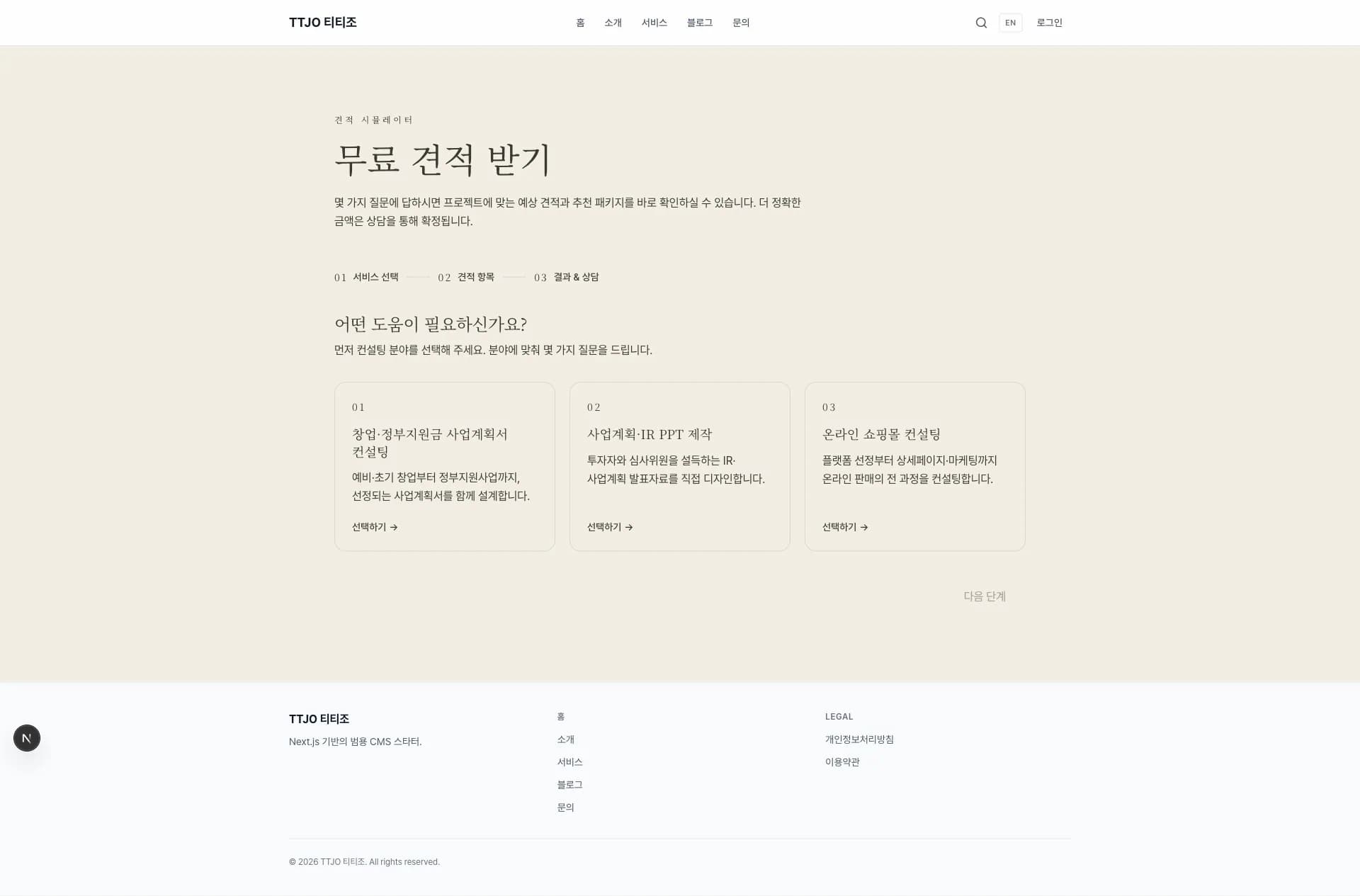
The price follows the modules, integrations and data migration the system needs, so each project is quoted from its own scope. In the estimate tool, choose the business-system type and the features you need to outline that scope; after a consultation you receive a formal quote listing the deliverables.
We can invoice in US dollars. VAT (10%) is added on top, hosting is billed separately from the build, and third-party costs such as KakaoTalk messages and AI usage are billed at cost. Payment is split into a deposit, interim and final payments, with the ratio written into the contract.
Systems we have built
Only projects published in our portfolio are listed. Status comes from the portfolio itself.
TTJO Consulting
An official website plus a quote automation flow: requirements in, AI analysis, and a draft quote out.
Completed · 2026Hybrid AI work automation
An in-house project that combines local models with external AI (GPT, Claude and others) to automate work across the web and desktop.
Completed · 2026FEM analysis program for EMECS
A dedicated program that analyzes three-phase induction motors with the finite element method (FEM) and predicts their performance.
In development · 2026NQ Solution website
Our own Korean/English site, with the admin and client portal we run our quotes, contracts and schedules on.
Completed · 2024
From workflow to working system
The same six steps run for every project, whether you are in Korea or overseas. Remote collaboration is the default, and visits are agreed in advance.
Brief
Send a written brief through the project request form, or write to us from the contact page. A rough idea is enough to start; reference sites and files help.
Consultation and scope
We read the brief, ask what we need to know, and agree the features, integrations and timeline. If our schedule is full, we tell you the next possible start date.
Quote
You receive a formal quote that lists the deliverables. It is based on features and integrations, not page count.
Contract and payments
The contract splits payment into a deposit, interim and final payments. The ratio for your project is written into the contract.
Design and build
We design and build in stages. The quote, contract, schedule and shared documents sit in one client portal (Korean interface), so you can see where the project stands.
Review and launch
You review the work before launch, then we deploy. Hosting and maintenance after launch are a separate contract, agreed when you need them.
Questions
Can you build an ERP that works in both English and Korean?
Yes. Each user works in their own language on the same records: English screens and reports for headquarters, Korean screens for local staff.
Can the system issue Korean e-tax invoices?
Yes. We connect it to an e-tax invoice provider's API so invoices are issued from your sales records, or prepare the data for your existing Hometax workflow.
Should we customize a packaged ERP or build our own?
If your process matches the package, start there. If two languages must share the data, if your workflow is what sets you apart, or if several tools need to become one, a custom system usually fits better. We compare both in the consultation.
Can it connect to our global ERP or accounting system?
Where the other system offers an API or a file export, we connect to it. We check what it offers during scoping and write the connection into the quote.
Can you move our data over from spreadsheets?
Yes. We review the existing files first, agree what moves and in what shape, and plan the switch-over with you.
How is pricing set?
Open the estimate tool, choose the type of project and the features you need, and it outlines the scope. The final figure comes in a formal quote after consultation.
What happens after launch?
Hosting and maintenance are agreed as a separate contract when you need them. Many clients return for upgrades and further development, so we design the first version to grow.
Services and further reading
Tell us how your team works today
Describe the workflow, who uses it in which language and the tools you have now. If it is still early, write to us and we will shape the scope together.
Prefer email? Write to nqsolutionai@gmail.com — the founder replies directly.